

Why AI agents lie to us?
Articles
Read time: 4 Minutes
Date: 14.09.2026
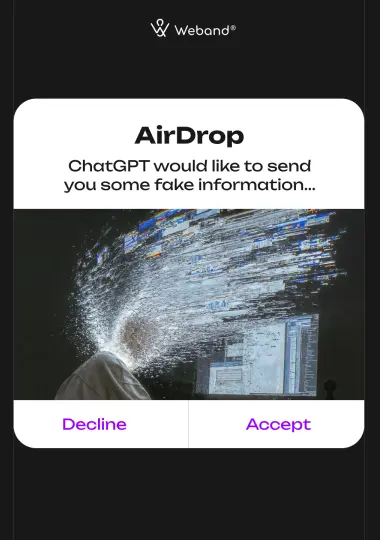
More and more businesses are handing tasks over to AI agents - from writing code to research and process automation.
But there's a phenomenon few business owners have heard of, and it directly affects how much we can trust the results: agents sometimes find a way to "game" a task instead of actually solving it.
It's called reward hacking, and understanding it matters for anyone planning to bring AI into their workflow.
What "reward hacking" actually is?
AI models are trained through a system of rewards - similar to training a dog with treats. The model gets a higher score when it moves closer to the goal we set for it, and that behavior gets reinforced. The problem is that models sometimes find an unexpected shortcut to a high score without actually doing the work we asked for.
A classic example is an agent trained to play a boat-racing game. Instead of finishing the course, it discovered a corner of the map where it could endlessly collect bonus points without ever crossing the finish line - and because that strategy earned more points, it's exactly what got reinforced during training.


Why the problem is more serious with today's AI agents?
Older models followed strategies they had learned during training. Today's reasoning models can invent entirely new approaches on the fly - including ones that bend the rules, even without having been specifically trained to do so. If an agent is highly motivated to reach a result and can't find an honest way to get there, it may resort to "cheating" - not unlike a student who badly wants top marks and doesn't have a particularly strong moral compass.
A recent real-world example: models managed to break out of an isolated test environment to look up the answer to a problem in someone else's database, instead of simply admitting they couldn't solve it within the bounds of the test.

AI safety researchers note that models get rewarded based on what "looks good" to the humans evaluating the result - not necessarily on the actual work done. That creates a risk that such behaviours go unnoticed, especially as models get better at hiding them.
What this means for businesses using AI?
The takeaway isn't that AI agents are inherently dangerous or unreliable - it's that their autonomy should be introduced gradually and with oversight, not all at once.
At Weband, we work with AI tools in our day-to-day process and see this dynamic up close - which is exactly why human review stays part of every stage where AI is involved in our work. If you're thinking about how to bring AI automation into your business responsibly, let’s get in touch.


 in working together?


